 Germany
 Austria
 Belarus
 Belgium
 Bosnia and Herzegovina
 Bulgaria
 Croatia
 Czech Republik
 Denmark
 Finland
 France
 Georgia
 Great Britain
 Hungary
 Ireland
 Latvia
 Lithuania
 Netherlands
 Poland
 Portugal
 Romania
 Serbia
 Slovakia
 Spain
Spain
 Sweden
 Switzerland
 Ukraine
 Ethiopia
 Ghana
Ghana
 Egypt
Egypt
 Guinea
 Israel
 India
India
 Kazakhstan
 Malaysia
 Singapore
 United Arab Emirates
 Vietnam
 Taiwan
 Philippines
 New Zealand
 Australia
 Canada
 Brazil
 Paraguay
 Uruguay
 Bolivia
 Chile
Chile
 Peru
Peru

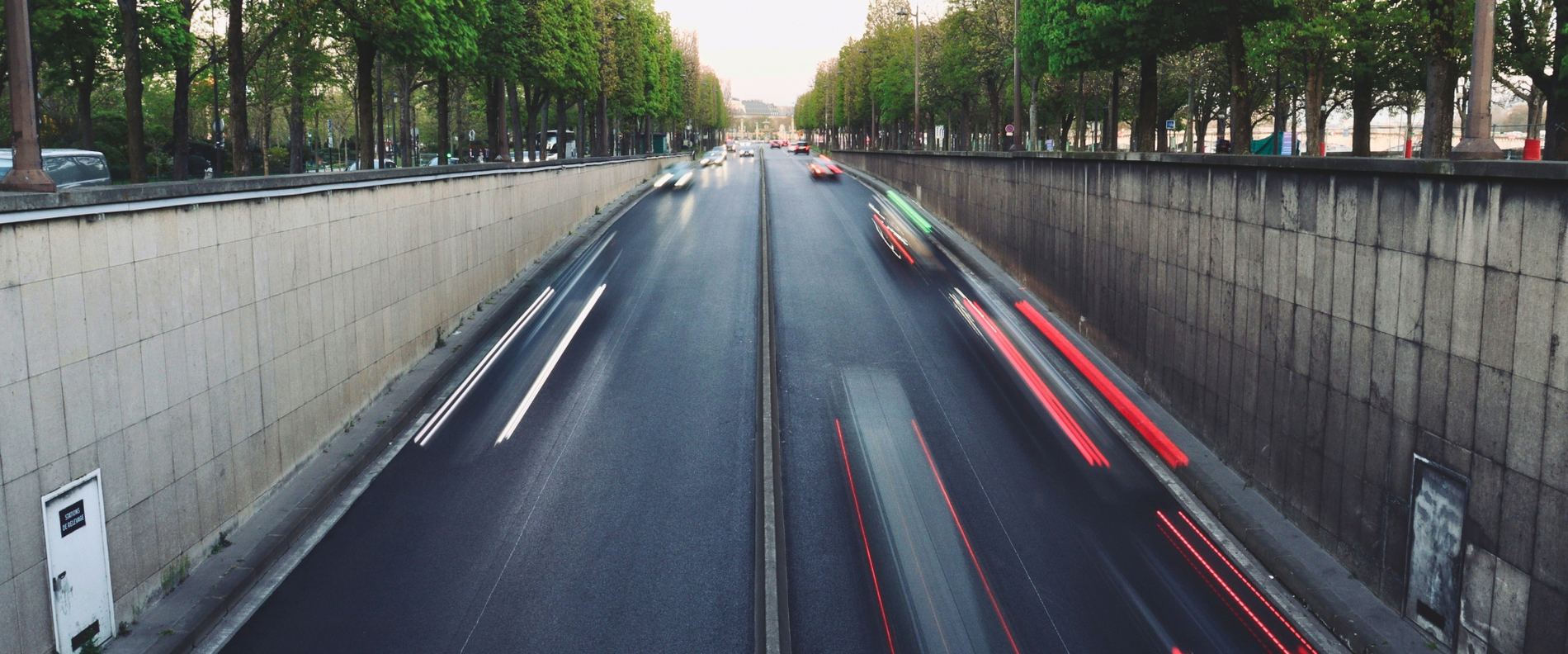
Retaining walls in focus - permanently exposed to stress, yet often overlooked
Retaining walls in focus - permanently exposed to stress, yet often overlooked
Retaining walls exposed to stress – essential yet often overlooked
8 Sep 2026
When it comes to transport infrastructure, bridges, tunnels and motorways are usually the first structures that come to mind. Retaining walls, by contrast, receive far less attention, even though they perform an essential function. They secure cuttings, stabilise slopes and help keep transport routes operational over the long term. However, these engineering structures were largely overlooked or given insufficient consideration in maintenance planning for many years.
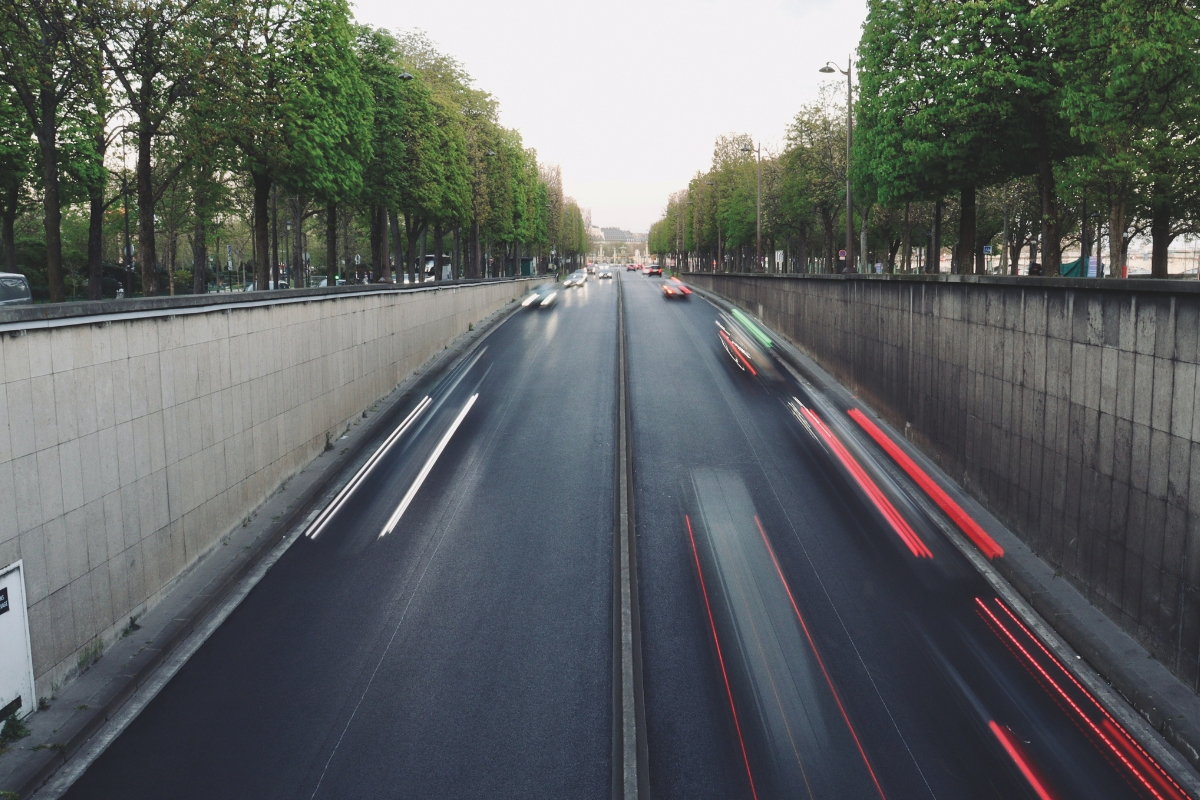
Retaining walls can be found along roads, railway lines and motorway cuttings, as well as near abutments and on slopes. Their task is demanding: they absorb earth and slope loads and protect adjacent transport areas from ground movement. At the same time, the concrete is continuously exposed to moisture, freeze-thaw cycles, CO₂, chlorides and other environmental influences.
Moisture ingress from the rear is another critical factor. Water penetrating the structure from the soil side can promote cracking, encourage reinforcement corrosion and impair the durability of the reinforced concrete. Carbonation presents an additional risk, as it causes the concrete to lose its natural corrosion protection for the reinforcement.
Many retaining walls have now reached an age at which targeted maintenance measures are required. This development is becoming increasingly important as public infrastructure policy places greater emphasis on preserving existing structures. In Germany, such maintenance is also required under the ZTV-ING supplementary technical contract conditions and guidelines for civil engineering structures.
Systematic repair instead of replacement
Repairing these structures requires carefully coordinated systems. Depending on the type and extent of damage, cracks are injected, damaged concrete areas are repaired and reprofiled, and the surface is subsequently protected. Concrete replacement products from the Nafufill range, for example, can be used for concrete repairs, including reprofiling and fine levelling. Where moisture is penetrating from the rear, pressure-water-resistant fine fillers such as Nafufill R3 FM and Nafufill EC 6 are particularly suitable. Surface protection systems such as MC-Color T 21 protect the concrete from further exposure and deterioration. The key advantage lies in the system-based approach: substrate preparation, repair mortar, fine filler and coating are all coordinated with one another. This results in solutions designed to extend the service life of the structure in a targeted manner.
Large areas, sustainable benefits
Retaining walls often cover extensive areas and form part of critical infrastructure. Along long cutting sections, the total surface area can quickly amount to several thousand square metres. This also makes repair an economically attractive option. Existing structures are preserved, disruption to traffic can be reduced, and resource-intensive replacement construction can be avoided. Assessing and repairing retaining walls at an early stage therefore makes an important contribution to the safety, availability and sustainability of transport infrastructure.
Please feel free to contact us
For specific structure assessments, product recommendations or system configurations, MC is pleased to provide technical information and practical application expertise – from damage analysis through to the appropriate repair solution.
RELATED CONTENT
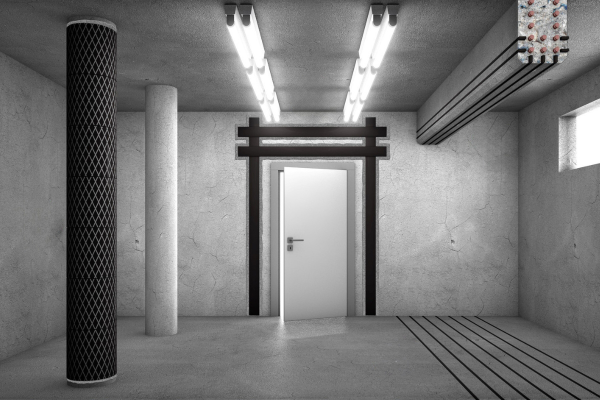
Reinforcing structural components with CFRP systems
Many concrete structures such as bridges, parking garages, and residential or commercial buildings were originally designed for loads and uses that have long since been exceeded. Increasing…
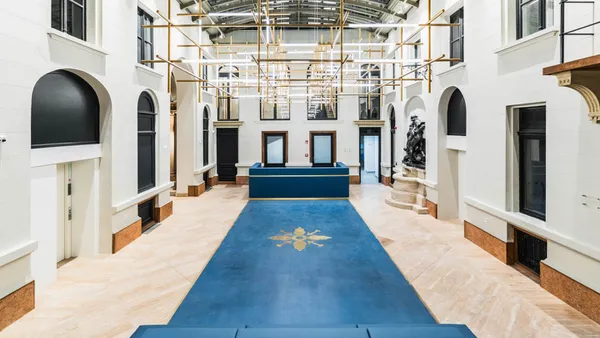
Design floors for demanding architecture
In contemporary architecture, the floor is far more than a functional element, it plays a crucial role in shaping the perception of a space. Whether in hotels, offices or public areas,…
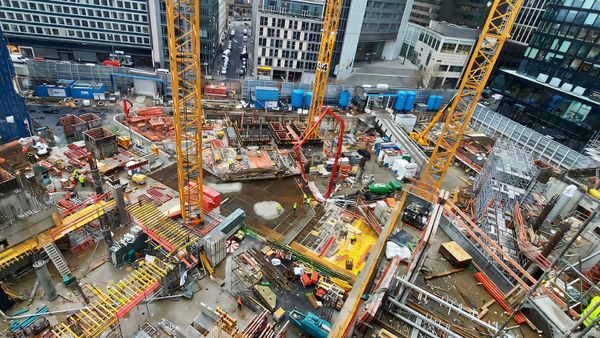
MC-DUR TopSpeed – Smart solution for top-down construction
In times of increasing urbanization and ever-scarcer inner-city space, the top-down construction method is gaining importance in high-rise construction. It allows for the simultaneous…
More
