 Germany
 Austria
 Belarus
 Belgium
 Bosnia and Herzegovina
 Bulgaria
 Croatia
 Czech Republik
 Denmark
 Finland
 France
 Georgia
 Great Britain
 Hungary
 Ireland
 Latvia
 Lithuania
 Netherlands
 Poland
 Portugal
 Romania
 Serbia
 Slovakia
 Spain
Spain
 Sweden
 Switzerland
 Ukraine
 Ethiopia
 Ghana
Ghana
 Egypt
Egypt
 Guinea
 Israel
 India
India
 Kazakhstan
 Malaysia
 Singapore
 United Arab Emirates
 Vietnam
 Taiwan
 Philippines
 New Zealand
 Australia
 Canada
 Brazil
 Paraguay
 Uruguay
 Bolivia
 Chile
Chile
 Peru
Peru


Sustainability
Sustainable release agents: quality and environmental protection
Sustainability
Sustainable release agents: quality and environmental protection
Sustainable release agents: quality and environmental protection
5 Jun 2026
Sustainability is also becoming increasingly important in concrete production. In addition to cement, aggregates, and admixtures, functional auxiliaries such as concrete release agents are coming into focus. Modern, low-emission systems make an important contribution to quality, occupational safety, and environmental protection on construction sites, and are being requested by more and more clients.
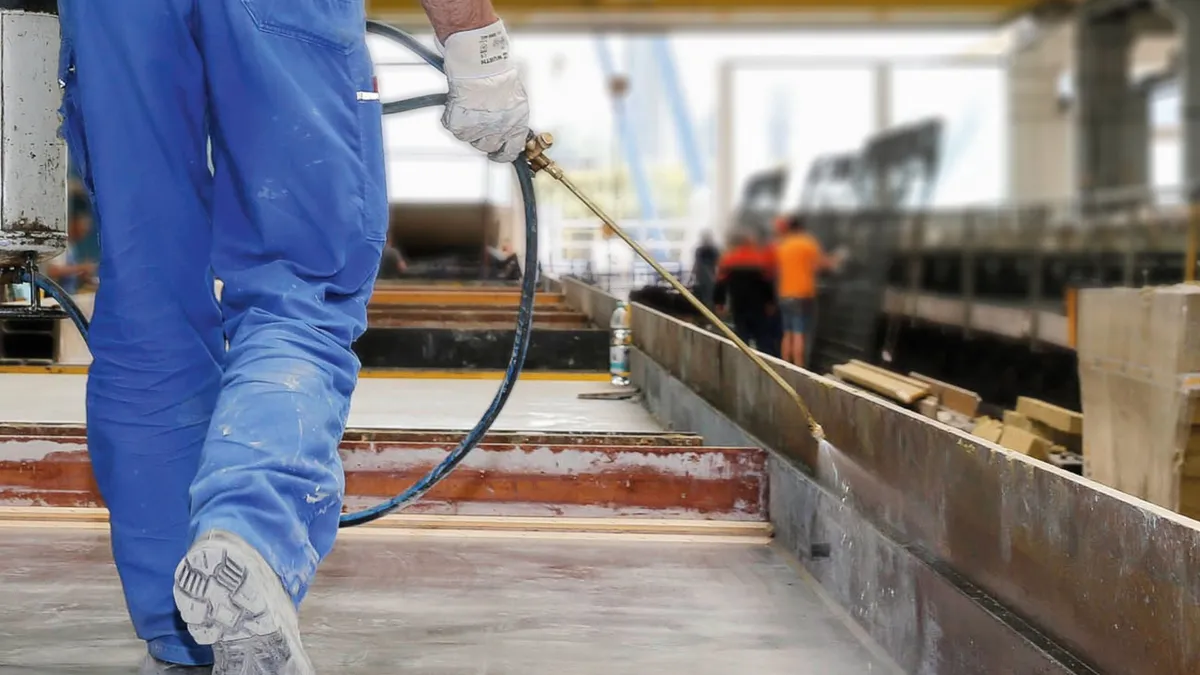
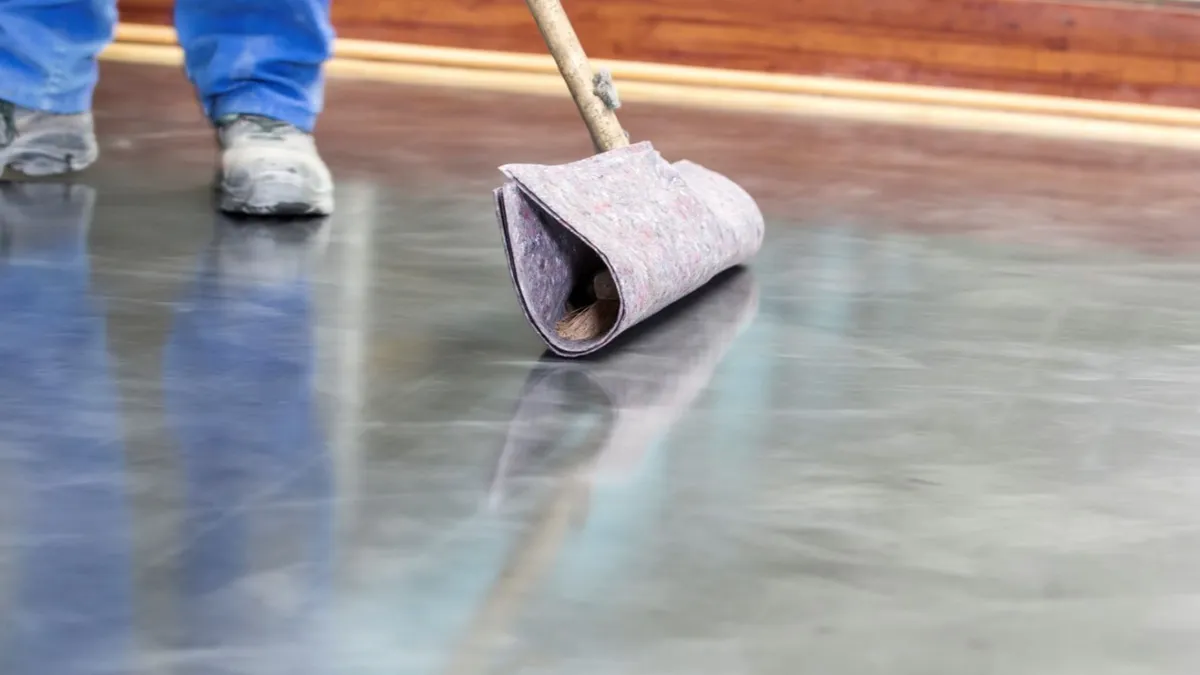


Many release agents are still based on formulations containing mineral oil. While these fulfil their technical function, they are increasingly being criticised because they cause emissions, are difficult to biodegrade, and can contaminate soil or water if used improperly. Against this background, demand is growing for environmentally friendly alternatives that meet both technical and ecological requirements. Various assessment systems have become established for this purpose: in Germany, DGNB certification (German Sustainable Building Council), supplemented by systems such as BNB (Assessment System for Sustainable Building), has become particularly prominent. Internationally, the U.S. LEED system (Leadership in Energy and Environmental Design) and the British BREEAM system (Building Research Establishment Environmental Assessment Method) have become established.
Sustainable release agents: challenges and solutions
Developing sustainable concrete release agents is a challenge: they must provide reliable release performance under varying site conditions while meeting high standards for occupational safety, environmental protection and surface quality. With the Ortolan range, MC-Bauchemie combines sustainability and performance through solutions based largely on renewable raw materials. Ortolan Bio is biodegradable, free from mineral oil and solvents, and supports the production of high-quality fair-faced concrete surfaces.
Find out more about the benefits and requirements of our sustainable concrete release agents in our MC pedia article:
https://www.mc-bauchemie.com/mcpedia/concrete-release-agent-for-sustainable-construction/
RELATED CONTENT
Research into sustainable building materials
As part of the project funded by the German Federal Ministry of Education and Research (BMBF) ‘TOFFEE – Processing and activation of clay soils for resource-efficient geopolymer building…

The more concrete, the less CO₂
Prefabricator Bton Fertigteilwerk GmbH, founded in 2021, has succeeded in developing the building material of the future. At the end of April 2024, Bton opened Germany’s first state-of-the-art…
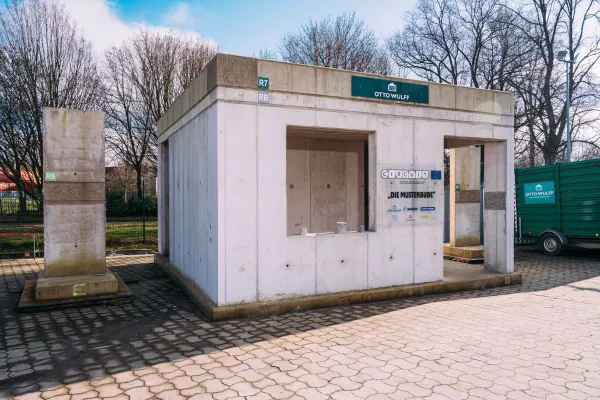
School Building constructed with concrete with 100% recycled aggregate
OTTO WULFF Bauunternehmung GmbH has erected on its company premises in Hamburg its first ‘model build’ largely made of recycled concrete. The concrete technology expertise of MC-Bauchemie…
More
